When I was a child, my parents took care of practically everything during our family trips. My only responsibility was to stay close to them. I never had to worry about packing my suitcase, let alone carrying it. I didn’t think about whether my passport or visa was up to date, and I certainly didn’t have to deal with paperwork, reservations, or travel logistics.
At the airport, they answered every question, completed the necessary forms, collected our luggage, picked up the rental car, and handled every detail. Once everything was ready, that was when the fun began for me.
Even after watching this process over and over again, I would still tell them I was bored, tired, or hungry. They always tried to make me feel more comfortable, and when they couldn’t, they would simply ask me to be patient while they finished what needed to be done before we could continue our journey.
Years later, I had the opportunity to take my first trip without my parents. Suddenly, I was responsible for everything: planning a budget, booking my flight, finding a hotel in a convenient location, researching safe transportation, deciding where I would eat, and figuring out how much money I could spend on souvenirs and small treats.
What I didn’t realize was that this was only the beginning.
I also had to pack wisely, making sure my toiletries were under 100 milliliters to meet airport security regulations, keep track of my identification documents, complete travel forms, check in for my flight, collect my luggage, and, above all, take responsibility for myself.
That was when I truly began to understand what traveling really means.
To me, traveling means discovering new cultures, traditions, perspectives, and ways of thinking. It means stepping outside our routines, learning to navigate unfamiliar situations with the resources we have, and adapting to different systems, customs, and ways of communicating. It also means breaking prejudices and recognizing the habits and independencies we have developed over the years.
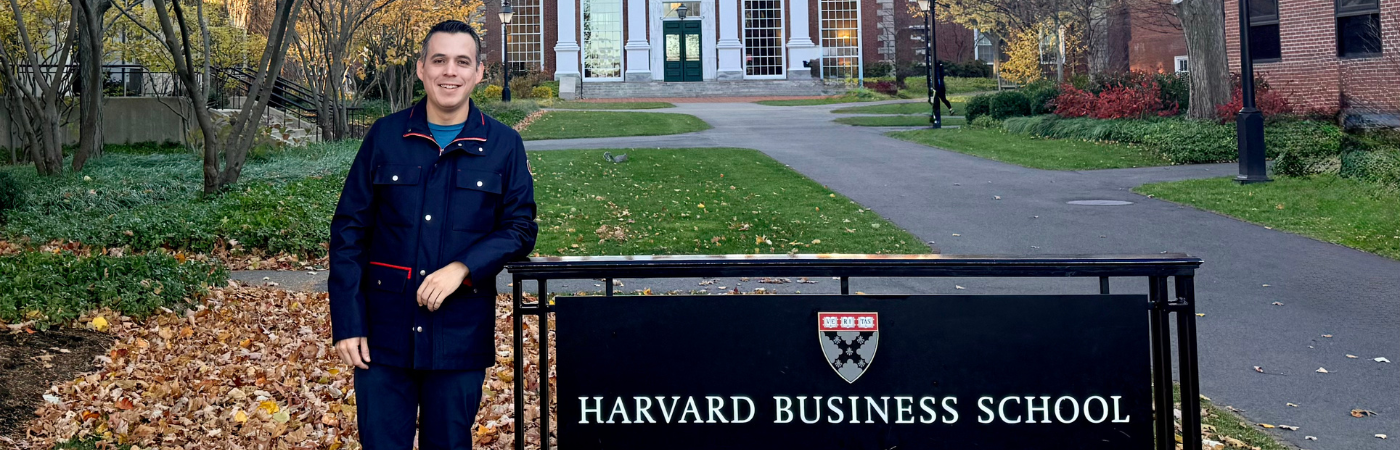
Today, as the coordinator of our school trips, I have the privilege of witnessing this same process in our students.
Every camp, field trip, and graduation trip begins in much the same way. Students arrive at school or the airport with their families. Many parents are still helping them carry their luggage, double-check their documents, or make sure they haven’t forgotten anything. But the moment they board the bus or walk through airport security, something changes.
Step by step, they realize that they are now responsible for their own belongings, their spending money, their schedules, and for speaking up when they need help. Although they travel with teachers and within carefully planned and supervised environments, they are also part of a group where everyone has different interests, preferences, and needs.
Travel teaches them to adapt. Things do not always happen when we want them to, and sometimes we have to wait, compromise, listen, negotiate, adjust our plans, or simply accept that traveling with others requires patience and consideration.
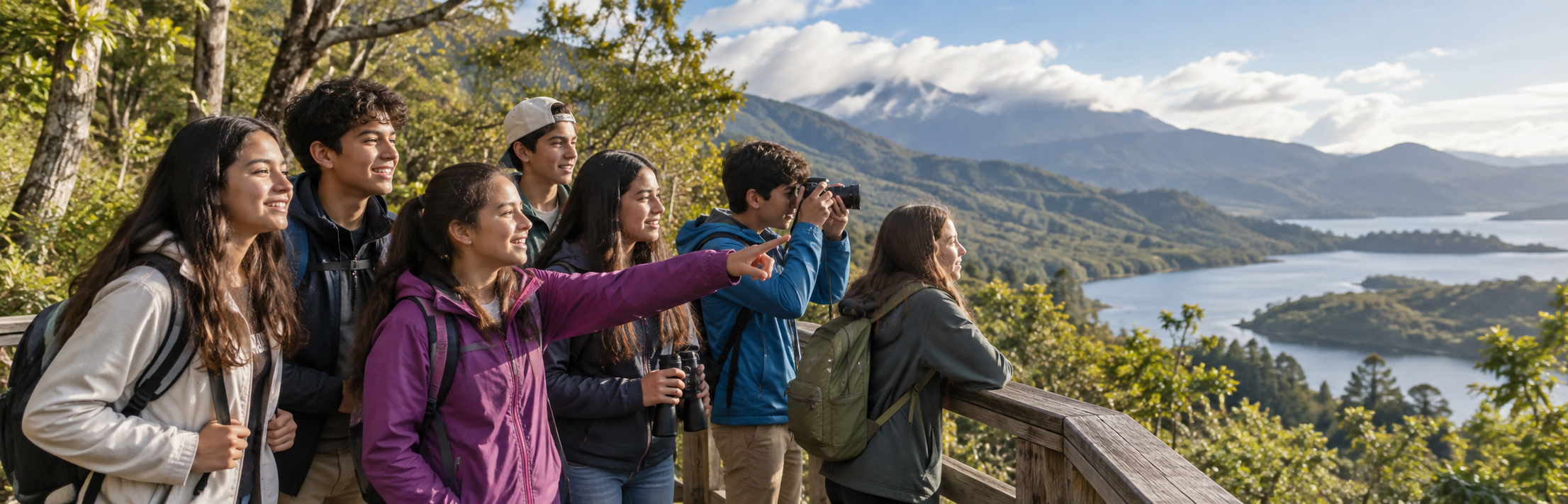
As chaperones, we have the opportunity to watch our students face and overcome these small challenges. We see them enjoy new experiences, build friendships, express their creativity, participate in activities they have never tried before, and discover strengths they did not know they had.
We also see them miss home, feel tired, become frustrated, and ask for help. And that is part of the learning process as well.
Being independent does not mean doing everything on your own. It means recognizing your abilities, asking for help when you need it, making thoughtful decisions, and taking responsibility for your actions.
Each of the three travel experiences we offer at DiME provides different opportunities for growth. Camp strengthens teamwork, trust, and community. Educational field trips extend learning beyond the classroom and encourage students to adapt to new environments. The graduation trip marks the end of an important chapter, celebrates shared accomplishments, and gives students the opportunity to put into practice the independence they have developed over the years.
No matter the destination or the length of the trip, every experience helps students grow.
Travel broadens our perspective, inspires us, and helps us discover qualities we may not have recognized in ourselves. Students become more responsible, organized, and independent. They learn to manage their resources, care for their belongings, live alongside others, and realize they are capable of handling situations on their own.
Perhaps that is the greatest gift of traveling: returning home not only with unforgettable memories, but also with greater confidence, awareness, and independence.
As parents, allowing your children to travel without you is not always easy. It is natural to worry, to have questions, and to wonder whether they will be okay. Letting them go requires trust, and it means recognizing that they are growing.
At the same time, it gives them the opportunity to discover what they are capable of within a safe, carefully planned environment supported by adults who are committed to their well-being.
Sometimes, all it takes is a small push, the right guidance, and the trust of their families for students to experience something they never imagined possible. In the end, the greatest souvenir is not the place we visited, but the person we become because of the journey.
Sofía Peralta Ponce

Follow Us!


All rights reserved © 2024 | Privacy Notice