It’s 8:00 a.m., and the day at DiME is already underway.
In one classroom, a student is working with their teacher on a math question they still need help with. Someplace, a group is training. Meanwhile, some students are enjoying a relaxing breakfast at home, others are getting a few more minutes of rest, and others have already spent several hours practicing the sport they love.
Their mornings look different, shaped by different activities, interests, and needs. Yet, they all have something in common: their classes will begin at ten.
And that’s by design.
At DiME, we know our students’ lives don’t begin when they walk into the classroom. So much happens before then, and it also shapes how they feel, how they learn, and how they experience their school years.
That’s why, when we talk about our schedule, we’re talking about more than a start time. We’re talking about the possibilities it creates.
Adolescence brings many changes, including changes in sleep. During this stage, the body’s internal clock shifts, and it’s common for teens to start feeling sleepy later, even though they still need eight to ten hours of sleep to get the rest they need.
In fact, the American Academy of Pediatrics recommends that middle and high school classes start no earlier than 8:30 a.m. Various studies have also found that later school start times may help students sleep longer and support their emotional well-being.
But beyond what the research says, there’s something many families probably know well: no two mornings are the same.
Some days, getting up takes a little more effort. On others, there’s time to have breakfast together, talk about the day ahead, or simply leave home without feeling so rushed.
Starting classes at ten makes room for those little things, too.
And while they may seem like everyday details, we know that arriving rested, calm, and ready to participate makes a difference in the learning experience.
While some students are still at home, others are already at DiME.
From 8:30 to 9:30 a.m., our Academic Support Program gives students a chance to connect with their teachers, ask questions, strengthen their understanding, or explore a topic in greater depth.
Sometimes, all it takes is a different explanation for something to finally click. Other times, students need to practice, try again, or simply feel confident enough to raise their hand and ask.
Those moments are part of learning, too.
And we want our students to know they have people who are ready to listen, guide them, and support them when they need it.
Elsewhere, the morning begins with movement.
Our extracurricular soccer, volleyball, and mixed martial arts workshops offer opportunities to stay active, spend time with classmates, and develop discipline, perseverance, and teamwork.
We also keep in mind our students who compete as high-performance athletes and devote a significant part of their lives to training, competing, and pursuing goals that take tremendous effort.
For them, finding time to meet their academic responsibilities while keeping up with their athletic training is part of everyday life. Our schedule can help them manage both and make room for two important aspects of their development.
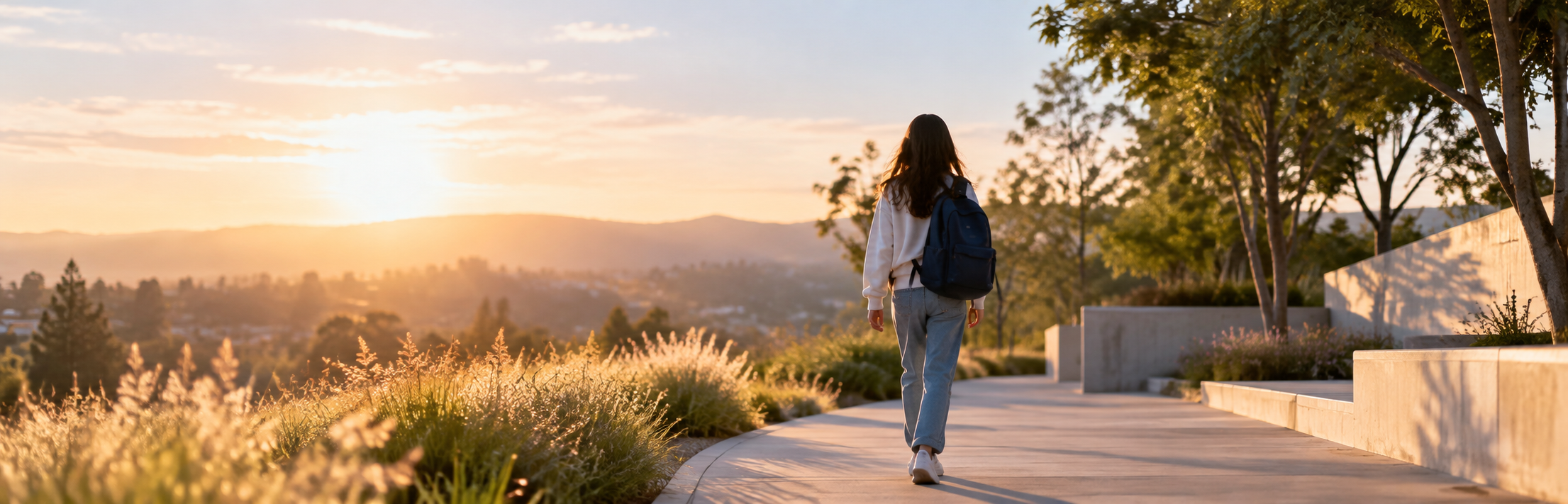
And, of course, there are also students who use the morning to rest, spend time on their personal interests, or enjoy a moment with family.
Each of these ways of starting the day matters equally.
The goal is to give every student the opportunity to use their mornings in a way that meets their needs, without having to fill every moment with activities.
There’s something else we value about this way of organizing the school day.
During adolescence, young people begin making more and more decisions about their daily lives. They learn to recognize their responsibilities, organize their activities, set priorities, and find time for the things they enjoy.
And it isn’t always easy.
Between homework, training, friends, family commitments, and time to rest, each day calls for finding a balance.
Having different ways to start the morning can also help students develop independence, responsibility, and organizational habits that will serve them well long after their school years.
Because preparing for life also means learning to make decisions, recognize our needs, and discover how to make the most of our time.
We don’t expect all our students to do the same things. We want them to gradually learn to identify what they need to feel well, meet their responsibilities, and move toward their own goals.
When the clock strikes ten, the academic day begins.
In the classroom, students who have been training since early morning come together with those who worked through a question with their teacher, had breakfast at home, or took the opportunity to get a little more rest.
Each arrives with their own story, interests, and way of spending the morning.
Then another part of the day begins: sharing ideas, learning from one another, asking questions, taking on new challenges, and discovering all they can achieve.
At DiME, we believe education happens in many moments, beyond classroom hours. It’s in the effort that goes into training, the satisfaction of understanding something new, the conversation that unfolds over breakfast, and the small decisions our students begin to make for themselves.
That’s why our schedule is much more than a way to organize the school day. It’s also a way to make room for the different experiences that are part of growing up.
At DiME, classes begin at ten. Our commitment to each student’s development begins much earlier.
DiME International School

Follow Us!


All rights reserved © 2024 | Privacy Notice